Heavy-Duty Anchor Bolts for Concrete: When Strength Matters Most

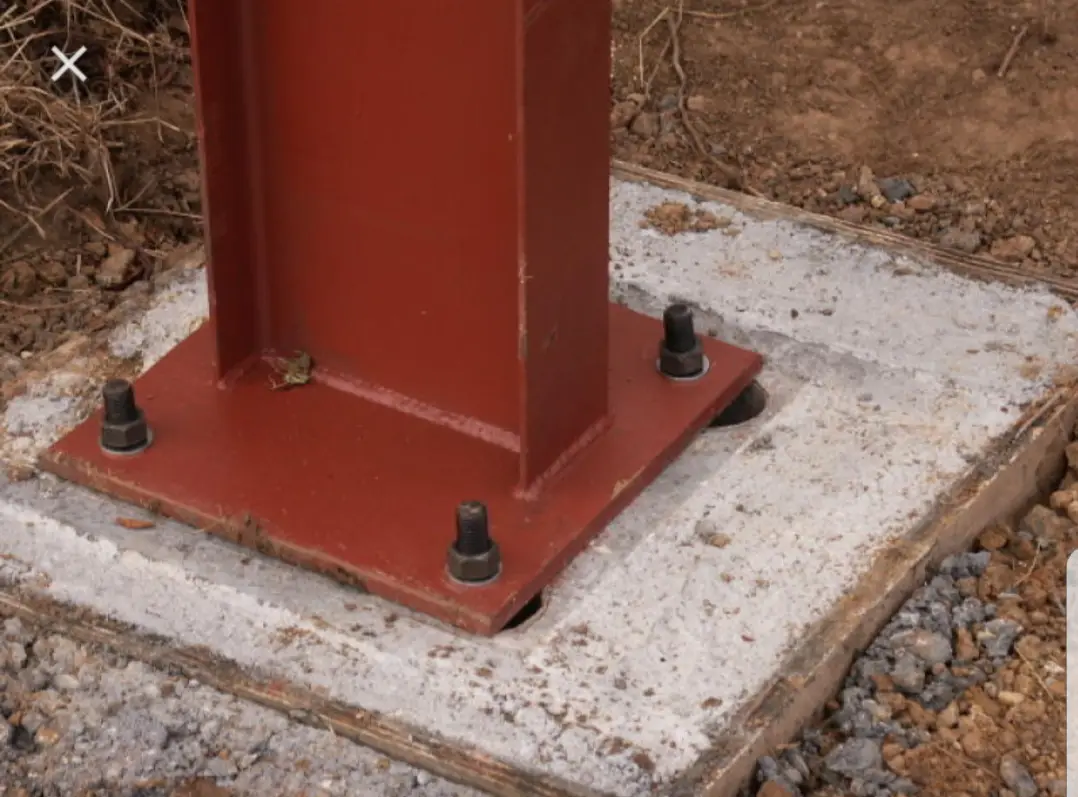
When you’re securing large steel structures, machinery bases, or critical infrastructure, standard anchor bolts aren’t always enough. Heavy-duty anchor bolts are engineered to deliver maximum strength, stability, and reliability where failure simply isn’t an option.
In this guide, we break down what makes an anchor bolt “heavy-duty,” when you should specify them, and how to choose the right configuration for your project.
What Are Heavy-Duty Anchor Bolts?
Heavy-duty anchor bolts are high-tensile steel fixings designed for demanding structural applications. They provide the strength needed to resist significant tension, shear, uplift, vibration, and dynamic loads.
They are most commonly used for:
- Structural steel columns and stanchion bases
- Industrial machinery & equipment
- Precast and in-situ concrete structures
- Bridges, barriers, and highway infrastructure
- Wind turbines and masts
- Overhead sign gantries & floodlight columns
Most heavy-duty bolts are Grade 8.8 or higher, ensuring exceptional load capacity.
1. When Do You Need Heavy-Duty Anchor Bolts?
🚧 A. High Structural Loads
Large steel frames and portal buildings often require M20–M30 bolts designed to handle significant tension and compression.
⚡ B. Machinery & Vibration
Industrial machines generate continuous vibration, requiring bolts that resist fatigue and loosening.
🌬 C. Wind, Uplift & Lateral Forces
Outdoor structures like masts, floodlights, and signage need bolts capable of resisting uplift and sway loads.
🏗 D. Safety-Critical Installations
Any location where bolt failure could result in collapse or injury must use higher-grade, heavy-duty fixings.
If structural drawings specify high kN loads, heavy-duty anchor bolts are required.
2. Types of Heavy-Duty Anchor Bolts
Different applications require different bolt configurations:
🔩 Cast-In Heavy-Duty Bolts
Cast into fresh concrete using templates and waxed cardboard cones.
Common shapes:
- L-shaped
- J-shaped / cranked
- Straight bar with anchorage plate
- Custom bent profiles
Best for:
- Steel columns
- Equipment bases
- Large precast units
🔩 Mechanical Heavy-Duty Anchors
Post-installed and expanded under torque.
Examples:
- Torque-controlled expansion bolts
- Sleeve anchors
- Heavy-duty wedge anchors
Best for: retrofit structural work in cured concrete.
🔩 Chemical / Resin Anchors
For maximum precision and strength in hardened concrete.
Benefits:
- High pull-out resistance
- Excellent for edge distances
- Perfect for awkward or oversize baseplates
3. Choosing the Right Size (M20–M30 and above)
The correct bolt size depends on:
- Structural load requirements
- Baseplate thickness
- Embedment depth
- Concrete grade
- Environmental conditions
Typical sizes for heavy-duty fixings:
- M20: standard structural steel
- M24: heavy steel connections
- M27–M30: high-load and industrial applications
BoltBox manufactures heavy-duty bolts in M20, M24, M27, M30, and custom diameters on request.
4. Materials & Protection
Galvanised Heavy-Duty Bolts
Most common for structural steel due to corrosion resistance.
Stainless Steel (A4 / 316)
Used in:
- Coastal locations
- Chemical plants
- Water treatment facilities
Raw / Self-Colour Steel
For indoor or temporary fixings—must be protected externally.
5. Improving Installation Accuracy with Bolt Cones & Templates
Heavy-duty bolts are often installed using:
- Waxed cardboard bolt cones (for alignment & voids)
- Timber or steel bolt templates
- Square plate washers for packing and levelling
These accessories make installation faster, safer, and more accurate—especially for large structural bases.
6. Common Mistakes to Avoid
- Using the wrong bolt size for the load
- Incorrect embedment depth
- Mixing bolt grades
- Installing without cones or templates
- Ignoring corrosion protection
- Misalignment due to poor templates
A single mistake can cause significant delays or structural issues, so correct selection is essential.
7. Bespoke Heavy-Duty Bolts for Special Projects
BoltBox manufactures custom heavy-duty anchor bolts built to your drawings or specifications.
We regularly supply bespoke solutions for:
- Wind turbine bases
- Sign gantry foundations
- Bridge barriers
- Industrial plant installations
- Large steel frames
If you need a bolt that isn’t “off the shelf,” we can make it.
Conclusion
When structural performance matters most, heavy-duty anchor bolts provide the strength and reliability needed for demanding concrete foundations. From M20 to M30 and beyond, the correct bolt type, size, and material ensure safe installation and long-term stability.
BoltBox supplies a full range of high-tensile heavy-duty anchor bolts, custom bolt sets, square plate washers, and waxed cardboard cones—manufactured in the UK to the highest standards.
Need Heavy-Duty Anchor Bolts?
We manufacture M20–M30+ heavy-duty bolts to your exact specifications.
👉 Request a Custom Quote
👉 Shop Holding Down Bolt Sets
👉 Send Your Drawings to: sales@boltbox.co.uk